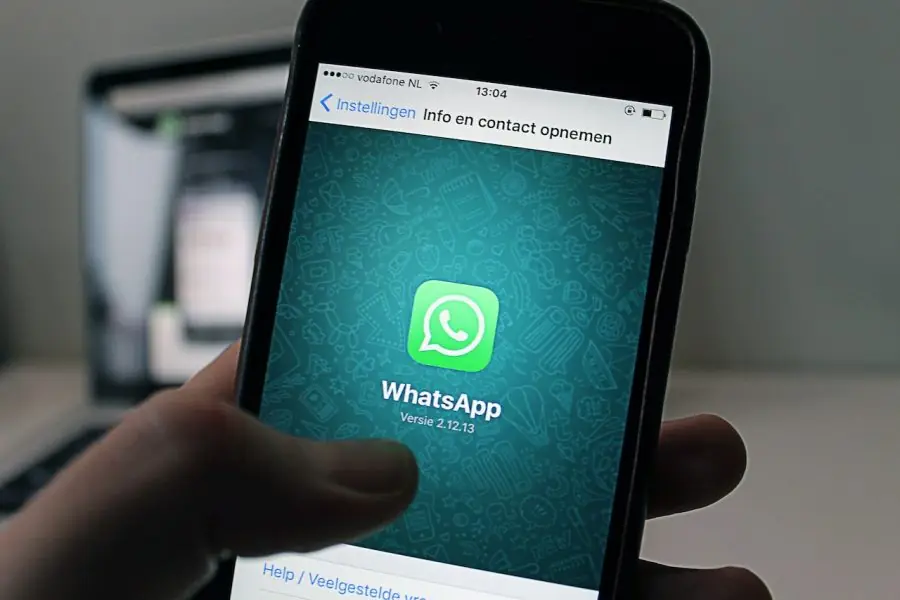
In the vast digital communication landscape, WhatsApp is a beacon of secure messaging, boasting end-to-end encryption to shield your exchanges from prying eyes. Yet, despite its worldwide dominance, WhatsApp has faced an uphill battle in the United States, where text messaging is king.
In a bold move to capture the hearts of American communicators, WhatsApp has embarked on a strategic campaign to convince the nation that it’s time to ditch traditional texting. This article delves into WhatsApp’s mission to change American texting habits and explores its challenges in this endeavor.
The Current Landscape of American Texting
In the United States, the land of iPhones and Androids, texting is a way of life. With iPhones dominating the market, Apple’s iMessage reigns supreme, while SMS (short message service) remains the go-to option for non-iPhone users. A staggering 2.2 trillion text messages were sent in the U.S. in 2020 alone. This ubiquitous reliance on SMS leaves WhatsApp with a considerable challenge to overcome.
As a rival to Apple, Google has been working on replacing SMS with a more advanced system called Rich Communication Services (RCS). However, the rollout has been sluggish, with approximately 40 million RCS users in the U.S. out of a global total of 500 million. WhatsApp, in contrast, provides a consistent messaging experience regardless of the device used, and it has adopted a compelling strategy to lure Americans away from SMS.
WhatsApp’s Pitch: Data Privacy
WhatsApp has a powerful ace up its sleeve—data privacy. The app has long championed its end-to-end encryption, ensuring that only the sender and receiver can access the content of their messages. While competitors like iMessage and Signal offer encryption, WhatsApp has the largest user base.
Eshan Ponnadurai, WhatsApp’s head of marketing, sees this as an opportunity to educate Americans about secure communication. He points out that SMS is inherently insecure due to vulnerabilities in the telecom architecture, leaving text messages susceptible to malicious snooping.
WhatsApp’s push for privacy aligns with the growing global conversation about data protection. Privacy experts like Riana Pfefferkorn emphasize that SMS is indeed insecure. The vulnerabilities in the SS7 protocol, which facilitates text message transmission, expose Americans’ communications to malicious actors. In this context, WhatsApp’s encrypted chats present an attractive alternative.
Trust Issues with WhatsApp’s Parent Company
While WhatsApp’s privacy pitch is compelling, it faces skepticism rooted in the broader reputation of its parent company, Facebook (now Meta). Facebook’s history of privacy scandals and leaks from a whistleblower have eroded trust in the platform. Even with guaranteed encryption, convincing users that their privacy will be respected remains a considerable challenge.
Pfefferkorn emphasizes that Facebook’s past privacy issues have created an atmosphere of distrust. Many individuals don’t believe that Facebook and WhatsApp genuinely respect their privacy. WhatsApp faced a privacy backlash when it attempted to update its privacy policy, resulting in a mass migration to rival platforms like Signal.
The Potential Rewards for WhatsApp
If WhatsApp can successfully penetrate the American market, the opportunities are immense. The platform has introduced business communications and digital payment features in its largest markets, seeking to monetize its traditionally free service. The United States, known for its high revenue per user in online services, presents a potentially lucrative market.
However, breaking entrenched texting habits and overcoming doubts about its parent company will be daunting for WhatsApp. Pfefferkorn cautions that if WhatsApp’s PR strategy in the U.S. falters, Facebook will have itself to blame.