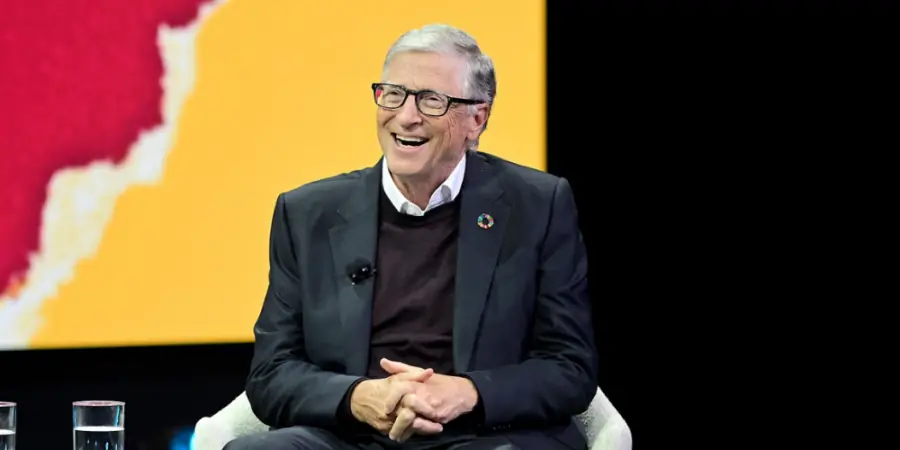
Artificial intelligence is driving one of the largest technology buildouts in recent history, but concerns are growing over who will ultimately pay for the power required to support it. As tech companies race to expand AI infrastructure, Microsoft co-founder Bill Gates has issued a clear warning: electricity costs linked to AI data centers should not be shifted onto everyday consumers.
During a CNBC appearance, Gates addressed the rapid expansion of data centers by major technology companies, including Amazon, Google, Meta, Microsoft, OpenAI, Oracle, and xAI.
While acknowledging the economic value and strategic importance of AI, he argued that households should not be burdened with the costs associated with powering this growth.
AI Growth Faces a Power Challenge
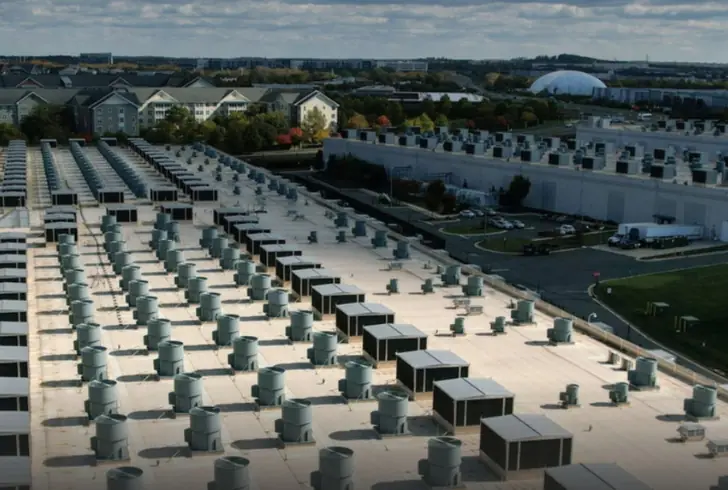
The discussion comes as data center development encounters mounting resistance across the United States. Large-scale AI facilities require enormous amounts of electricity, placing additional pressure on an already strained power grid.
As a result, communities, lawmakers, and utility providers are increasingly questioning how these projects should be funded.
According to reports cited by The Times of India, 48 data center projects with a combined value of $156 billion were either delayed or blocked during 2025. In addition, another 20 projects reportedly failed during the first quarter of the year alone.
One of the most notable examples involved investor Kevin O’Leary’s planned data center development in Utah. The project was forced to reduce its original footprint by half following political and community opposition.
The Debate Over Electricity Costs
Gates pointed to a long-standing utility model that may no longer work under AI-driven demand. Traditionally, utilities have spread infrastructure costs across all ratepayers. However, the scale of electricity required by modern AI facilities is creating new concerns about whether that approach remains fair.
Earlier this year, Amazon, Google, Meta, Microsoft, OpenAI, Oracle, and xAI reportedly signed the Ratepayer Protection Pledge in Washington. Under the agreement, the companies committed to covering the costs of new power generation needed to support their data center operations.
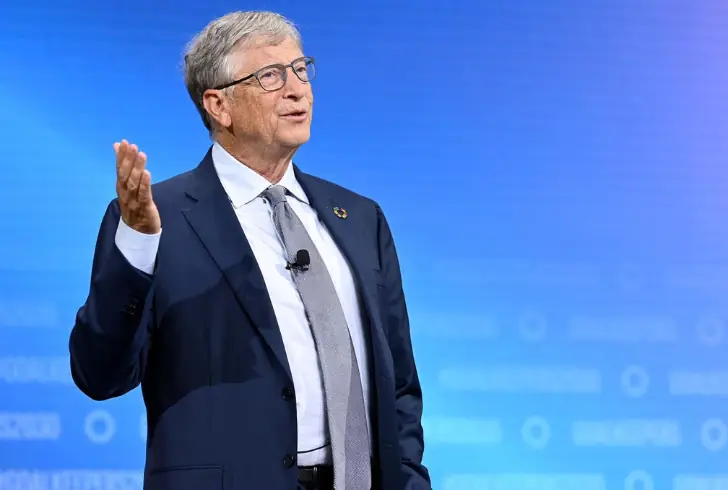
Even so, Gates emphasized that commitments on paper are not enough if electricity expenses continue to find their way into household utility bills. His comments highlighted growing concerns about accountability as AI infrastructure expands nationwide.
Public Opposition Continues to Rise
Resistance to new data center projects is no longer limited to a handful of local communities. A Gallup poll cited by The Times of India found that 70% of Americans do not want a data center built near their homes. Another survey conducted across 15 major economies showed support for nearby data centers in the United States at just 26%, the lowest level among the countries surveyed.
The issue has also become politically charged. In Missouri, voters removed four city council members after they approved a $6 billion data center project. In Indianapolis, a councilman reportedly received a threatening message following approval of a similar development, illustrating the intensity of local debates.
Gates did not argue against the advancement of AI. Instead, he stressed that economic opportunity and competition with countries such as China should not outweigh public accountability or community approval.
As AI infrastructure continues to expand, the debate is shifting beyond technology and into questions of energy costs, local impact, and who should bear the financial responsibility for powering the next phase of innovation.