Michael Vi/Shutterstock
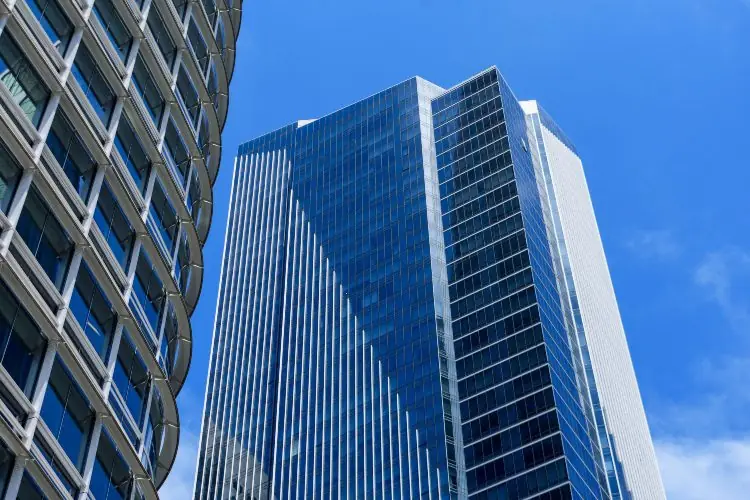
It’s as scary as it sounds: The Millennium Tower in San Francisco is slowly sinking into the ground, causing it to tilt a whopping three inches per year. Now, however, engineers hope they have finally found a solution to this 645-foot-tall problem!
The Leaning Tower Of San Francisco
Sundry Photography/Shutterstock
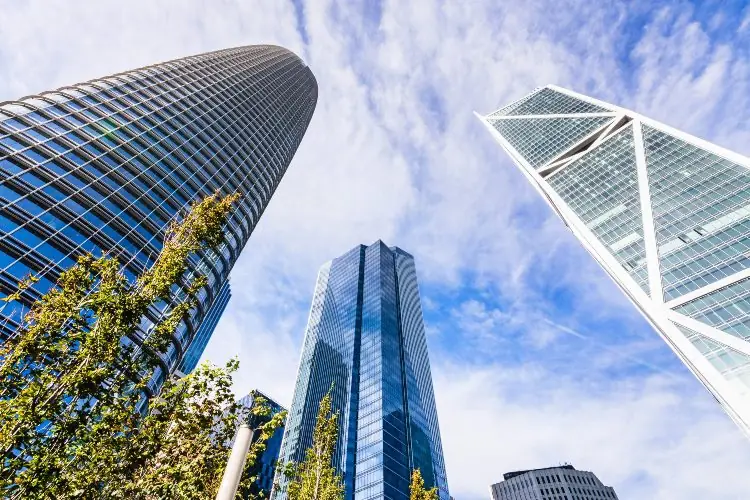
For those who don’t know, the Millennium Tower is an ultra-luxurious residential skyscraper in downtown San Francisco. However, there’s one problem: it is slowly sinking into the ground, causing it to currently lean two feet to one side. And it’s continuing to tilt at three inches per year. That’s right! However, the newest engineer on the job, Ronald O. Hamburger, hopes to fix the building, which first opened to residents back in 2009.
To make matters worse, Hamburger has to fix the work of others. You see, past efforts to fix the problem and stabilize the sinking skyscraper have only made things worse and worse. In fact, the previous team of engineers actually needed to halt construction last summer in order to determine why increased foundation movement was occurring and how this could be mitigated.” Now, Hamburger has a new plan to implement, and its a much simpler idea than previous ones. He plans on cutting the total number of support piles beneath the tower from 52 down to 18 in order to “minimize additional building settlement.”
Still, many can’t help but wonder: will the newest fix work, after so many others have failed?
Fixing The Millennium Tower

Saint Aubin/Shutterstock
Why cut the number of supports underneath Millennium Tower? Well, according to Hamburger and his team, “vibration of the soils associated with pile installation activity, and unintentional removal of excessive soil as the piles were installed.” After removing the extra supports, Hamburger wants to anchor the remaining 18 into bedrock that lies 250 feet under the tower. As a result, “the construction schedule will be extended, and the building will settle and tilt a little more during this period…We judge that the 18-pile solution offers an optimal solution between additional settlement and benefit gained.”
There’s been more good news regarding Hamburger’s idea: the San Francisco Department of Building Inspection recently approved the procedure! Back in 2016, NBC News talked with engineers who predicted that the Millennium Tower would sink down to roughly 5.5 inches by the year 2028, at which point it would likely become an even more significant safety concern than it currently is. So, the pressure to find a quick and new solution is intense. We wish Hamburger and the rest of the engineering team the best of luck!