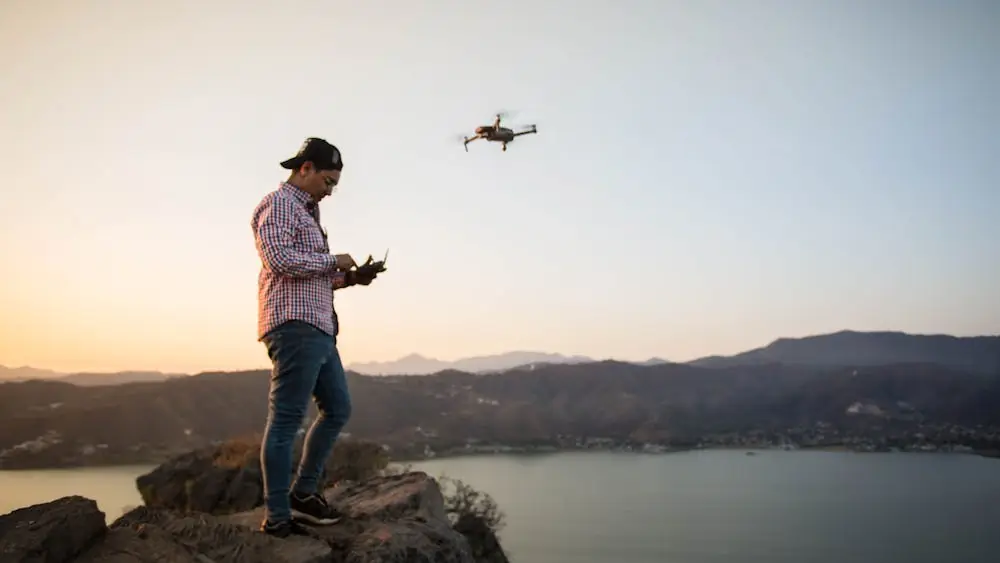
Drones have transformed from niche gadgets to mainstream technology, enhancing operations in numerous fields, from agriculture to delivery services. Understanding the capabilities and limitations of these aerial vehicles, especially how far can a drone fly, is crucial for both hobbyists and professionals. This article will explore the factors influencing drone range, their applications, and the consequences of exceeding their operating range.
How Far Can a Drone Fly – Understanding the Controller Range
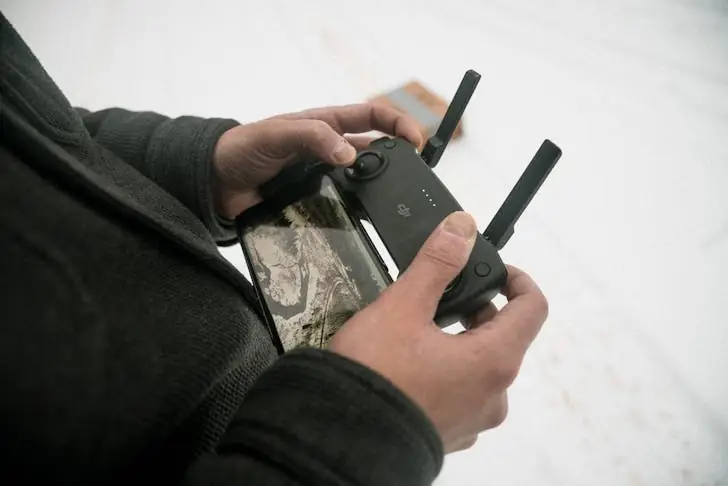
To perform a drone mission correctly, it is paramount to choose a drone with sufficient autonomy and remote control range. Whether you are a recreational user or you use a drone for professional purposes, it’s good to know how far drones can fly from the controller. Several factors, including design, purpose, and technology, influence the distance a drone can cover from the remote. Toy drones, for instance, might only manage about 100 meters—a bit longer than a football field—while high-end commercial models might reach up to 15 kilometers or more.
Mid-Range Drone Distance Coverage
The price of a drone often correlates with its range capabilities. For instance, a mid-range drone priced between $150 to $500 could typically cover up to 4 or 5 kilometers. These drones are built with more robust materials and have better battery capacities. A popular model like the DJI Phantom 3 Standard, known for its smart battery and lightweight carbon fiber frame, offers around 25 minutes of flight time, providing ample opportunity to explore substantial distances.

On the higher end of the spectrum, drones that maintain a connection with their transmitter for distances ranging from 4 to 8 kilometers are often used in sectors like agriculture, delivery services, and search and rescue. These models can operate well beyond the range at which a pilot can maintain visual contact.
Long-Range Drones and Their Different Uses
The applications for long-range drones are diverse and expanding. These drones are increasingly used in agriculture to monitor large fields, in mapping to create detailed three-dimensional maps, and in security management to oversee expansive areas like construction sites and prisons. Innovations like the DJI FlyCart 30 are pushing the boundaries of how drones can serve in package delivery, covering several miles autonomously.
Long-range drones are not only for commercial purposes; hobbyists also benefit from their advanced capabilities. These drones ensure stronger signal reception and reduced video latency, enhancing the user experience even at closer ranges.
Drone Autonomy and Its Impact on Flight Distance
Advancements in drone autonomy are reshaping the landscape of drone capabilities. Modern drones have intelligent navigation systems that follow pre-planned flight paths and adapt to environmental changes without human intervention. This technological evolution could prompt regulatory updates to address the safe operation of autonomous drones flying beyond the visual line of sight.
Consequences of Drones Exceeding Their Operating Range
Besides just how far a drone can fly, a critical aspect is what happens when it goes out of range. Drones that lose connection with their controller might trigger fail-safes like automatic return-to-home features to prevent loss or damage. However, not all drones have such fail-safes, and those without them might crash, potentially leading to property damage or safety hazards.
Wrapping Up
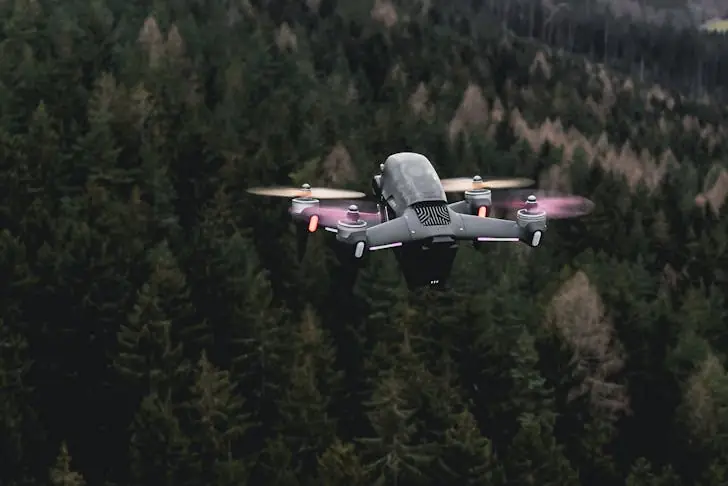
Therefore, understanding and adhering to a drone’s designated range is essential for safe and responsible operation. Whether you’re flying a small toy drone or a high-end commercial model, knowing the limits of your drone’s capabilities and the regulations governing its use will ensure a successful and safe flight every time.