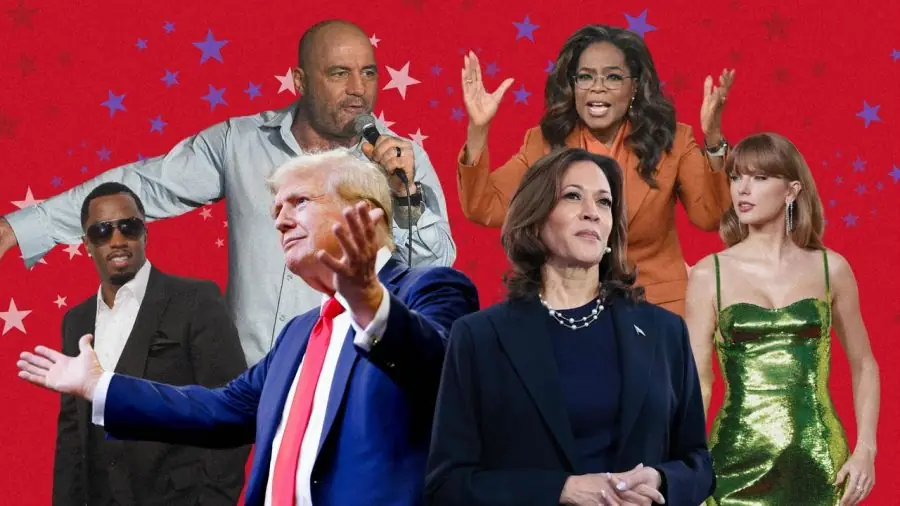
With the rise of artificial intelligence, AI celebrity endorsements have become a hot topic of debate, especially as artificial intelligence is increasingly used to generate false content, tricking the public into believing that their favorite stars have taken sides in the political arena.
Two months before Election Day, a manipulated photo of Elton John in a pink coat with the letters “MAGA” surfaced online, suggesting he had endorsed former President Donald Trump.
However, the image was entirely fake – just one of many AI-generated attempts to sway public opinion. As we head into election season, the rise of these deceptive AI celebrity endorsements is reshaping how we think about authenticity, trust, and technology in politics.
What Are AI Celebrity Endorsements?
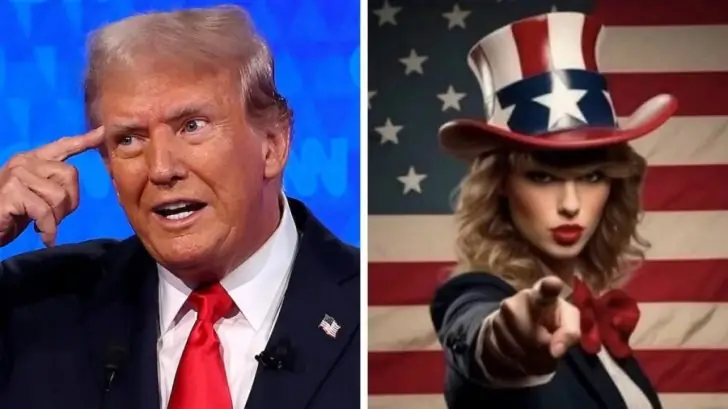
At its core, an AI celebrity endorsement refers to the use of artificial intelligence to create false endorsements involving celebrities. This might include fake images, videos, or audio clips where it seems like a public figure is supporting a cause or politician they have never actually aligned with.
This manipulation blurs the lines between reality and fiction, making it harder than ever to discern truth in the digital age.
In the case of Elton John’s viral AI-generated image, viewers were led to believe that the global superstar was backing Trump. But Elton never made such a statement. Similarly, other celebrities like Will Smith and Taylor Swift have had their likeness used in fake AI-generated content, falsely implying their endorsement of Trump.
Alarming, these misleading tactics are becoming more frequent as the technology behind AI advances.
The Impact of AI-Generated Misinformation
The increasing prevalence of AI celebrity endorsements has sparked concerns about their impact on public perception. When a beloved celebrity is shown in support of a political figure or cause, it can sway their fans’ opinions, even when the endorsement is fake.
For instance, many Taylor Swift fans were shocked when AI-generated images suggested she was backing Trump. Swift later addressed the incident, clarifying her stance and expressing frustration over how such content could mislead her fans.
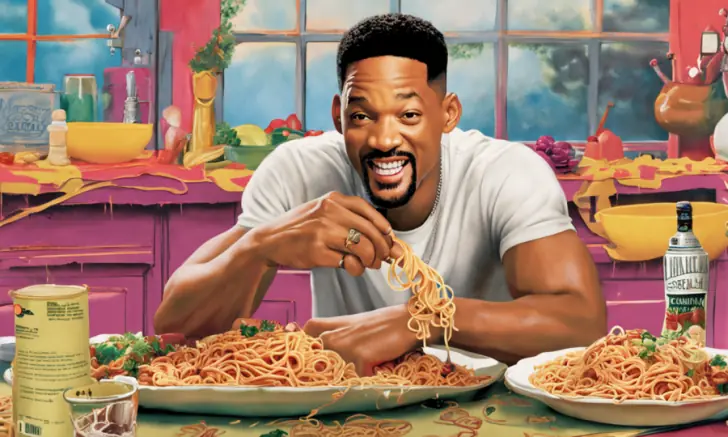
With over 700,000 views on X (formerly Twitter), this video was a perfect example of how quickly false information can gain traction. Many viewers were unaware that it was entirely fabricated. If nothing, it highlights how AI is changing the way we interact with content online.
The Role of Celebrities in Debunking AI Fakes
Celebrities like Taylor Swift are stepping up to debunk AI-generated content that misrepresents them. After an AI-generated image implied she supported Trump, Swift took to Instagram to not only deny the endorsement but also make her actual political stance clear. This transparency helps counter the confusion that AI misinformation causes.
However, it is not always easy for celebrities to keep up with the flood of AI-generated fakes. And not every star will have the platform or motivation to address them.
But this issue goes beyond individual stars. It is also a challenge for platforms like X, Instagram, and Facebook to regulate AI-generated content. Detecting and taking down AI-driven misinformation is not always straightforward. These platforms are under pressure to improve their content moderation efforts to prevent the spread of politically charged deepfakes that could influence voters.