China has announced a major initiative to accelerate its advancements in artificial intelligence (AI) and other emerging industries. A state-backed investment fund is set to be established, focusing on driving technological innovation in critical sectors such as AI, quantum computing, and hydrogen energy storage.
This move reflects the country’s long-term vision of strengthening its technological capabilities while countering external restrictions.
A Multi-Billion Dollar Boost for Innovation
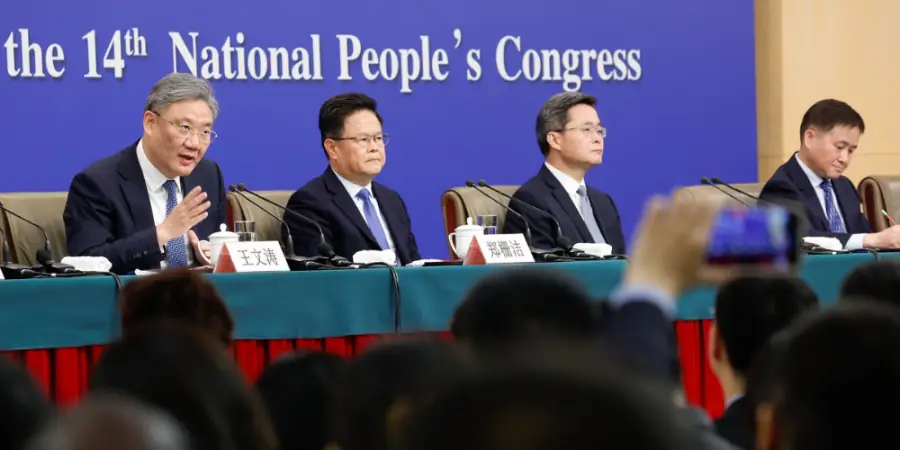
The newly proposed “state venture capital guidance fund” is expected to raise close to 1 trillion yuan ($138 billion) over the next two decades. The fund will receive contributions from local governments and private investors, aiming to support the development of next-generation industries. According to Zheng Shanjie, chairman of China’s National Development and Reform Commission, this investment underscores China’s commitment to securing its position at the forefront of global technology.
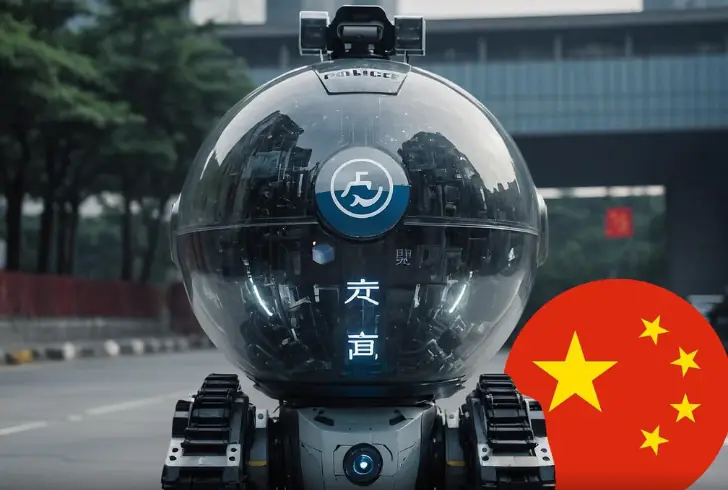
Chinese leaders have consistently emphasized the importance of high-end chips, AI, robotics, and quantum computing in sustaining economic growth and modernizing manufacturing. However, ongoing restrictions from the United States on AI chip exports have posed significant challenges. Despite these hurdles, officials remain confident in the country’s technological progress.
AI Breakthroughs Despite Challenges
China’s AI sector has witnessed remarkable progress, with companies such as DeepSeek making global headlines. DeepSeek’s latest AI reasoning model, released earlier this year, has demonstrated capabilities on par with leading models like OpenAI’s GPT-4, Google’s Gemini, and Meta’s Llama. What has surprised analysts is that DeepSeek achieved these advancements at a significantly lower cost, even with limited access to high-power AI chips due to U.S. trade restrictions.
“Technologies once thought to be futuristic are now becoming part of everyday life. We are steadily moving toward global leadership in AI and innovation,” Zheng said, responding to concerns about external barriers. He further emphasized that attempts to restrict China’s access to advanced technology have only strengthened the country’s determination to develop independent solutions.
Government’s Plan to Drive Future Industries
Premier Li Qiang reinforced the government’s focus on emerging industries in a recent work report. He outlined plans to establish a structured funding mechanism for key sectors, including:
1. Bio-manufacturing – Advancing biotechnological processes for various applications.
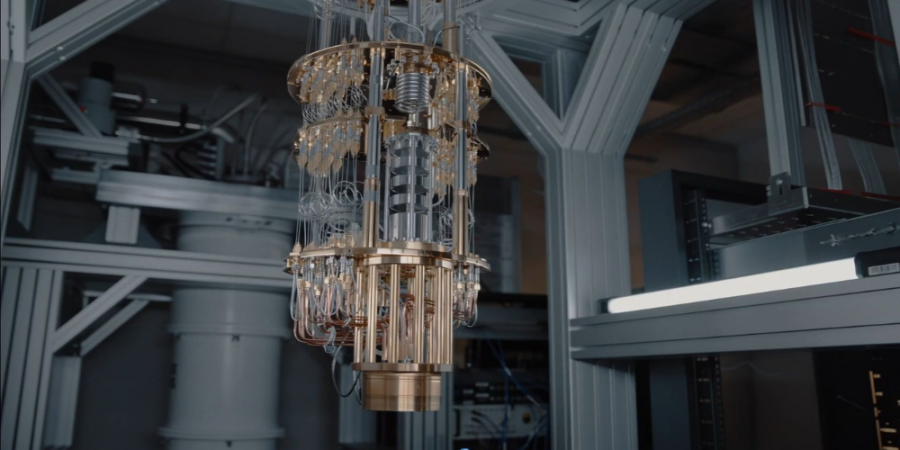
2. Quantum technology – Exploring revolutionary computing and encryption methods.
3. Embodied AI – Enhancing AI’s integration with robotics and real-world applications.
4. 6G technology – Preparing for the next evolution of wireless communication.
These initiatives signal China’s intent to remain competitive in industries that will define the global economic landscape in the coming decades.
Shifting Focus to Domestic Consumption
While technological advancement remains a priority, China is also turning its attention to domestic consumption to drive economic stability. A “special action plan to boost consumption” is in the works, as confirmed by Zheng.
Despite efforts to stimulate internal demand, much of China’s economic momentum in recent years has come from exports. The country’s trade surplus reached nearly $1 trillion last year. However, household consumption remains relatively low, making up only 39% of GDP in 2023. Comparatively, this figure stands at 49% for South Korea, 55% for Japan, and 68% for the United States.
To address this, the government has taken significant financial measures:
1. Raising the national budget deficit to 4% of GDP, the highest in decades.
2. Increasing the government bond issuance quota by over 25% to 6.2 trillion yuan ($855 billion).
3. Allocating special bonds for infrastructure projects and housing market recovery.
4. Introducing a 300 billion yuan ($41 billion) subsidy program for consumer goods, including vehicles and electronics.
These steps reflect Beijing’s commitment to strengthening internal economic resilience while balancing external uncertainties.
Private Sector’s Role in Economic Growth
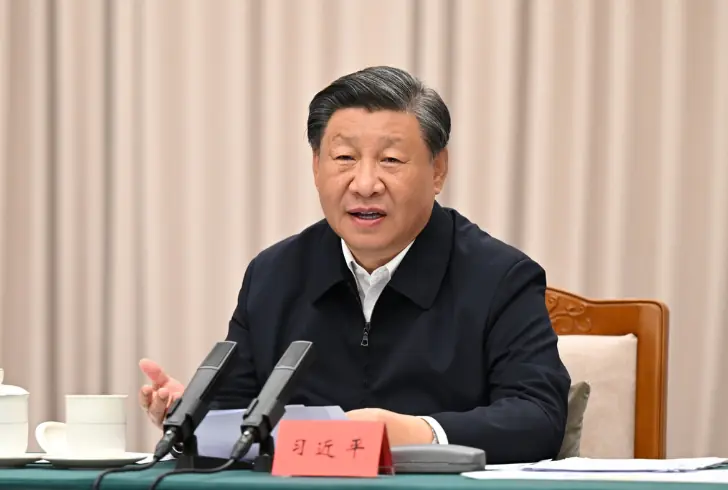
China’s private sector remains a key driver of innovation and employment, contributing over 60% to GDP and generating more than 80% of jobs. However, many companies are still recovering from a prolonged regulatory crackdown. To restore confidence and encourage investment, policymakers are advancing the Private Economy Promotion Law, which aims to safeguard property rights and ensure fair competition.
“Legal protections for private enterprises will provide stability and strengthen market expectations, which is essential for sustained economic growth,” said Yang Decai, director of the Private Economic Research Institute at Nanjing University.
Last month, President Xi Jinping addressed top executives, encouraging private enterprises to take full advantage of current opportunities. The government’s push for stronger collaboration between state-backed initiatives and private firms is expected to accelerate progress in AI and other high-tech industries.
China’s Strategic Vision for the Future
China’s latest efforts highlight a dual approach—aggressively advancing AI and emerging technologies while reinforcing domestic economic stability. The massive investment fund for technological innovation positions the country as a global leader in AI, quantum computing, and renewable energy. Simultaneously, measures to boost consumption and support private enterprises indicate a shift towards a more balanced economic strategy.
With increasing geopolitical tensions and trade restrictions, China’s response underscores its determination to drive independent innovation and maintain economic momentum. As technological advancements continue, the global AI landscape is set to witness rapid shifts in the coming years.