On the southern edge of Malaysia, the state of Johor is becoming a major player in the tech industry. While it is traditionally known for its lush forests and picturesque beaches, Johor is now seeing rapid growth in AI-focused data centers. Among these developments, Microsoft has pledged over $2 billion to establish a cutting-edge facility in the area.
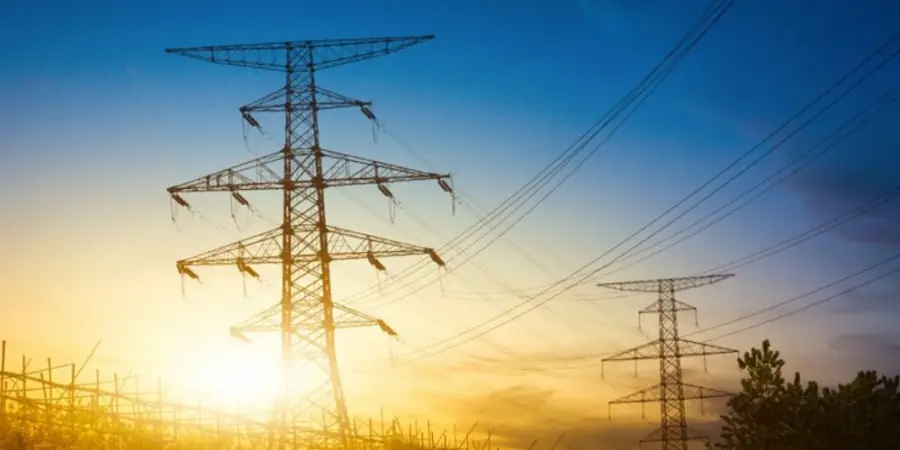
In the world of tech, electricity is increasingly as vital as oil once was. These AI data centers demand immense amounts of power—some requiring up to 90 megawatts, equivalent to powering tens of thousands of homes in the United States. With AI tools like chatbots and generative AI systems proliferating, the demand for cheap energy is becoming a critical factor in tech expansion.
Global Shifts in AI Investments
As the AI revolution accelerates, the hunt for electricity has become a top priority for major tech firms. By 2025, discussions in boardrooms about AI server capacity will likely focus on global energy sourcing instead. Countries rich in low-cost energy resources are seizing this opportunity to attract AI investments. These nations are designing policies that appeal to tech companies, offering incentives on par with those once reserved for manufacturing industries.
Traditional tech hubs like Ireland and Singapore are now grappling with capacity limitations, leaving room for emerging competitors such as Malaysia, Vietnam, Thailand, Indonesia, and even Chile. The ability to provide reliable electricity at an affordable rate often outweighs other considerations like latency.
Why Energy Location Matters
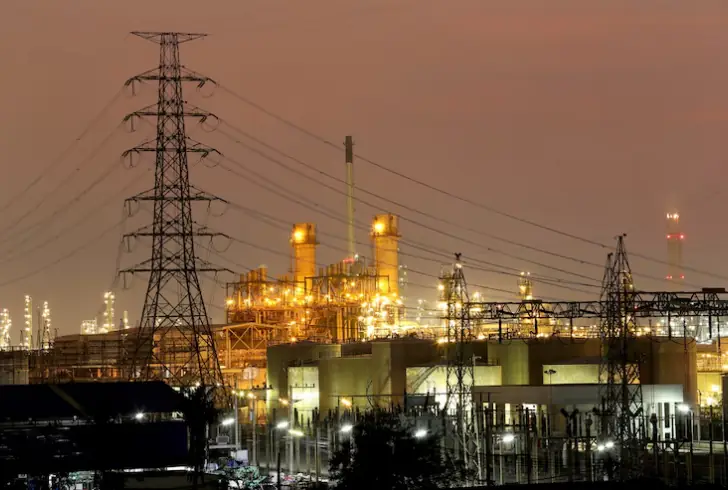
Power costs have always been a major concern for large corporations, and AI firms are no exception. Much like how factories were historically positioned near coal mines or refineries near ports, today’s tech companies are gravitating toward locations with consistent, affordable electricity supplies.
Cooling systems in AI data centers consume approximately half of a facility’s total energy. This makes certain regions, particularly cooler climates or coastal areas, more appealing for tech giants. Countries offering these advantages, along with favorable policies, are becoming hotspots for large-scale AI developments.
However, the rush to secure electricity sometimes drives companies to compromise sustainability goals. In some cases, firms are turning to non-renewable energy sources to meet their massive power needs, potentially derailing both local and global decarbonization efforts.
Competitive Incentives for Data Centers
Governments around the world are rolling out red carpets for AI-focused investments. In the United States, over half the states, including Texas, Arizona, and New York, provide tax breaks to data center operators. These incentives often include discounted rates on land purchases and fast-tracked access to power.
Malaysia has introduced its Green Lane Pathway initiative to expedite construction permits for AI facilities. By cutting through bureaucratic delays, this program enables companies to build data centers and establish power lines more quickly. Such proactive approaches position these regions as frontrunners in the evolving AI-powered economy.
The Global Impact of the AI Energy Boom
This growing interplay between energy and AI technologies is reshaping global dynamics. The expansion of data centers and the increasing demand for cheap energy are comparable to the transformative effects of the 20th-century oil boom. However, this energy revolution is far less visible. Instead of pipelines or oil tankers, the defining symbols of this era are enormous, unassuming warehouses filled with humming servers.
While the economic benefits of hosting data centers are evident, the impact on global influence remains uncertain. AI research and development hubs, such as San Francisco, Beijing, London, and Paris, will likely retain their dominance in groundbreaking innovations. Meanwhile, the data centers themselves may evolve into a low-margin, high-volume industry, serving primarily as infrastructure to deliver algorithms to market.
Challenges for Energy-Rich Nations

For countries benefiting from the energy rush, the primary challenge lies in making the most of this temporary advantage. The current dominance of energy-rich nations could diminish as larger economies like the United States or China develop their own sources of affordable, clean energy.
To maintain long-term growth, countries hosting these data centers must focus on building broader innovation ecosystems. Relying solely on energy advantages may not guarantee sustained success, especially as energy technologies advance and competition increases.
A New Era of Electro-Diplomacy
This shift toward AI-driven energy demand has introduced a new form of diplomacy. Nations are now negotiating based on their ability to supply power rather than traditional commodities like oil or natural gas. Scaling AI effectively depends as much on securing cheap energy as it does on advancing algorithms.
However, the rapid pace of this transformation means governments and industries must adapt quickly. Policies designed to attract AI investments should aim for long-term benefits, ensuring that the electricity boom translates into lasting economic growth.