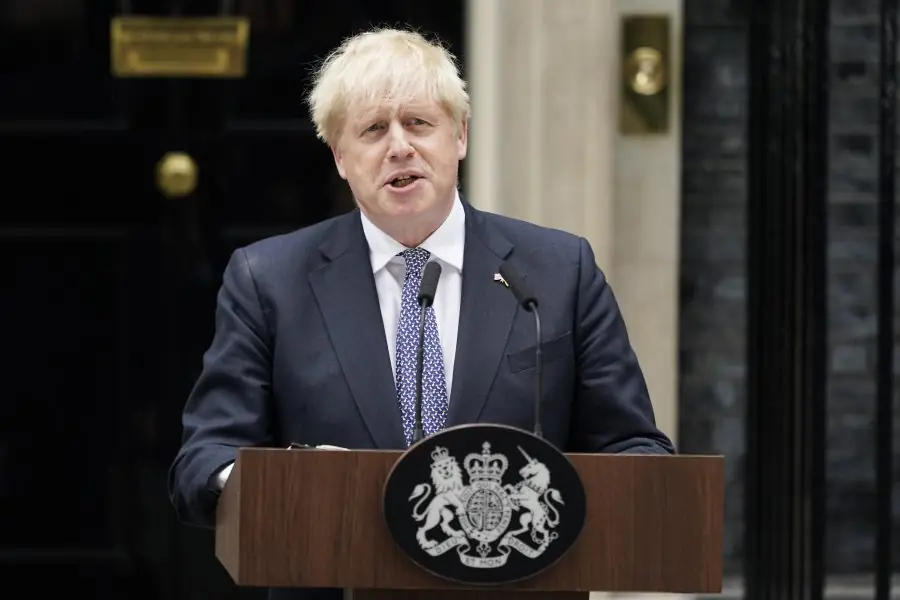
On July 7, 2022, the British prime minister, Boris Johnson, resigned from office ahead of his tenure. His resignation comes after the hard criticism from the opposition party for his inability to handle the COVID-19 pandemic. Boris Johnson was elected as the prime minister of the United Kingdom in December 2019 as the Conservative Party secured a sweeping victory across the country.
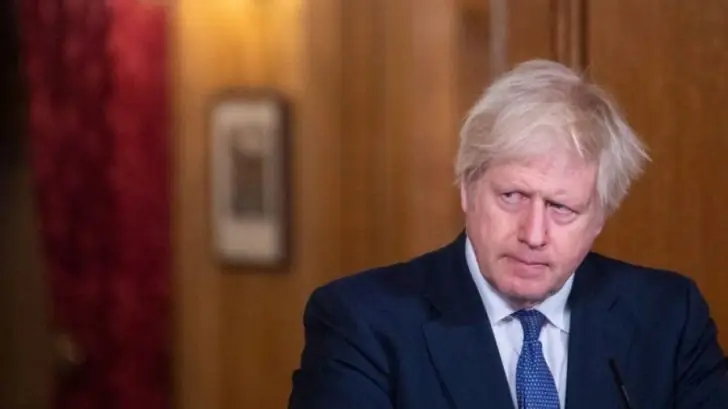
But Boris could not hold on to the British premiership because of his inability to handle political situations in the country. To begin with, Johnson’s administration was ineffective in handling the coronavirus. The prime minister had announced a set of standard operating procedures (SOPs) to avoid the virus’s rapid spread. Later on, Boris himself ended up breaking those SOPs. He was harshly criticized by the opposition party and even his own MPs for breaking the COVID rules.
On top of that, he was accused of ‘throwing parties’ and breaking the social distancing rules amid coronavirus. Similarly, his own cabinet members also did not show confidence in the leadership of the Conservative Party Leader. Based on these allegations and scandals, Boris Johnson quits office and descends from the leadership of the Conservative Party. While some Conservative Party members are happy with the exit of Boris, they are struggling with the selection of the party’s new leader.
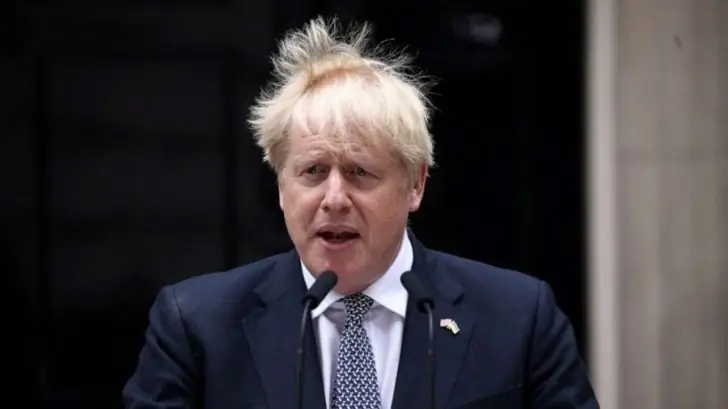
When the then Conservative Party leader, Theressa May, stepped down from the leadership of the Conservative Party in June 2019, Boris Johnson emerged as the party’s leading figure. Thersa May was dissatisfied with her party for not being able to back the Brexit motto of the party. Thus, Bors took over the party’s leadership with his popular “Get Brexit Done” initiative.
Soon after holding charge of the British premiership, Boris Johnson announces that will exclude itself from the European Union (EU) either with a deal or without one. But things did not go smoothly for Boris’s administration as they needed an extension to finalize Brexit. So much so that some Conservative Party members seek an extension in the Brexit deal. To counter that, Boris expells those party members.
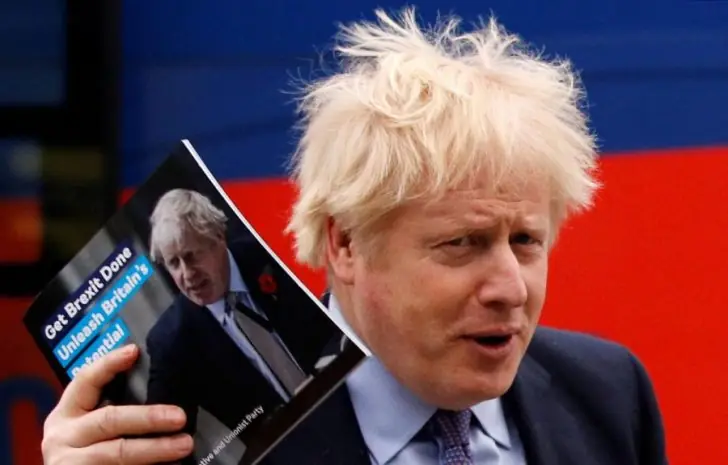
Moving forward, Boris went to extremes to get Brexit done. “I would rather die in a ditch than ask the EU for an extension,” he said. But later on, he ended up asking the EU for another extension. Nevertheless, Boris finally came to a deal with the EU and the British parliament for Brexit in January 2022. But soon after, the country plunges into the COVID-19 pandemic. Thus, he leaves his Brexit motive unattained as he gets occupied with COVID measures.
By and far, he fails in handling the COVID-19 pandemic. Simultaneously, he fails to come to a logical conclusion with the European Union. Thus, he quits in despair.