
The housing market remains a topic of interest as buyers and sellers question where mortgage rates will head next. Rates have risen sharply over the past few years, creating challenges for affordability and planning. While predictions can be uncertain, experts suggest some relief may be on the horizon, although several factors continue to influence rate movements. Understanding these dynamics can help borrowers make more informed decisions.
What Will Influence Future Mortgage Rates?
Predicting mortgage rates is complex, as numerous economic variables interact to shape them. Inflation remains a primary driver. When inflation cools, borrowing costs often decrease as the Federal Reserve adjusts its policies to stabilize the economy. Conversely, persistent inflation pressures could keep rates higher for longer.
The unemployment rate is another key consideration. Low unemployment typically signals economic strength, prompting the Fed to maintain tighter monetary policies, indirectly impacting mortgage rates. Should unemployment rise, the central bank may take actions to stimulate growth, which could lead to lower borrowing costs.
Government policies, especially those tied to fiscal or monetary strategy, also play a significant role. As new economic policies emerge, they can shift market expectations, influencing interest rates and mortgage products available to consumers.
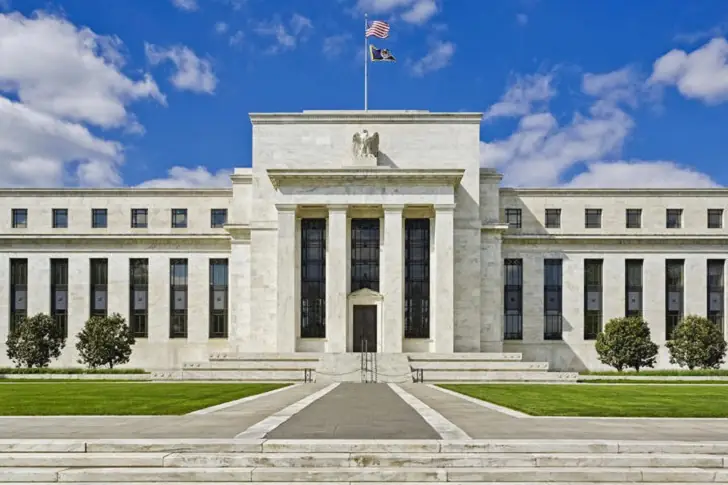
Will Mortgage Rates Stabilize in 2025?
Experts believe rates may begin to stabilize by 2025. While 2024 has been marked by volatility, signs suggest the rapid fluctuations of the past may slow. This anticipated stabilization depends on economic progress, particularly in managing inflation and sustaining employment levels.
Although rates could decline slightly, they are unlikely to return to the historic lows seen in recent years. Instead, a gradual adjustment is more probable, offering some breathing room for buyers but requiring careful financial planning.
Steps to Prepare for Shifting Mortgage Rates
Since future rates remain uncertain, taking proactive steps can make a significant difference for prospective homeowners. Start by improving your credit score, as it directly affects the interest rates lenders offer. A higher score can help you secure a more favorable rate, even in a higher-rate environment.
Building a larger down payment is equally crucial. With more equity upfront, you reduce the amount borrowed, mitigating the impact of higher rates on your monthly payments. Automating savings can simplify this process and ensure consistency in reaching your financial goals.
Finally, staying informed about market trends and consulting with a reliable mortgage lender ensures you understand your options. A trusted professional can provide updated information and tailored advice, helping you confidently navigate decisions.

How the Economy Shapes Borrowing Costs
Economic conditions directly influence borrowing costs. For example, when the economy grows steadily, rates may rise to prevent overheating. On the other hand, during economic downturns, lower rates often become a tool to stimulate recovery by encouraging borrowing and investment.
Global events can also play a role. International market instability or geopolitical tensions can impact U.S. financial markets, potentially causing fluctuations in mortgage rates. Staying updated on economic reports and global trends can provide valuable insights into potential rate changes.
Current Trends and Expert Predictions
As of now, rates remain elevated compared to the historic lows of the past decade. However, industry professionals expect a modest decline if inflation cools and economic indicators align favorably. Still, minor fluctuations are expected in the short term as markets react to new data and global events.
By focusing on what you can control—credit scores, savings, and financial preparedness—you can position yourself for success regardless of where mortgage rates go.