In a significant move that marks the end of an era, Unilever has finalized the sale of its Russian subsidiary. This decision comes as the conflict between Russia and Ukraine surpasses the two-and-a-half-year mark, joining a growing list of Western companies bidding farewell to their Russian ventures.
A Pivotal Transition in Consumer Goods Landscape
The multinational giant Unilever, known for its diverse portfolio of consumer goods, has concluded the divestment of its Russian operations. This transaction extends beyond Russia, encompassing the company’s presence in Belarus as well. According to reports, the deal, valued at approximately €600 million, signifies a major shift in the consumer goods sector within these regions.
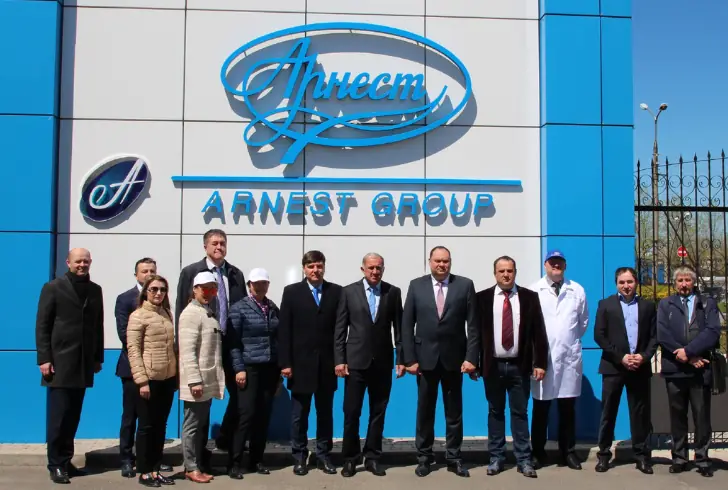
Arnest Group, a local manufacturer with a track record of acquiring Western businesses in Russia, has stepped in as the new owner of Unilever’s Russian arm. This acquisition adds to Arnest’s growing portfolio of former Western-owned enterprises in the country.
The Scope of the Sale
The sale package is comprehensive, including:
1. All of Unilever’s business operations in Russia
2. Four production facilities within Russian borders
3. The company’s business interests in Belarus
Hein Schumacher, Unilever’s Chief Executive Officer, provided insights into the complexities of the divestment process. “Over the past year, we have meticulously prepared the Unilever Russia business for a potential sale,” Schumacher stated. He highlighted the intricate nature of the transition, which involved separating IT platforms and supply chains, as well as adapting brands to Cyrillic script.
A Trend of Western Exodus
Unilever’s departure is part of a larger trend of Western corporations exiting the Russian market. Since the onset of the conflict, numerous high-profile companies have either sold their Russian operations or shut them down entirely. This list includes prominent names such as HSBC, Volkswagen, Renault, Heineken, and Danone, among others.
However, Unilever’s exit comes later than many of its peers, a delay shared by other industry giants like Nestlé. This prolonged presence in the Russian market has not been without controversy, drawing criticism from various quarters who questioned the ethics of continuing operations amid the ongoing conflict.
Challenges in Departing
The process of leaving the Russian market has proven to be more complex than anticipated for many companies. The Russian government has implemented measures to discourage and complicate the departure of Western businesses. These obstacles include:
1. Attempts to take control of assets belonging to departing Western companies
2. Deliberate undervaluation of businesses seeking to exit
3. Legal hurdles and regulatory challenges
These factors have contributed to significant delays in departure timelines and, in some cases, led to legal disputes.
Unilever’s Global Footprint
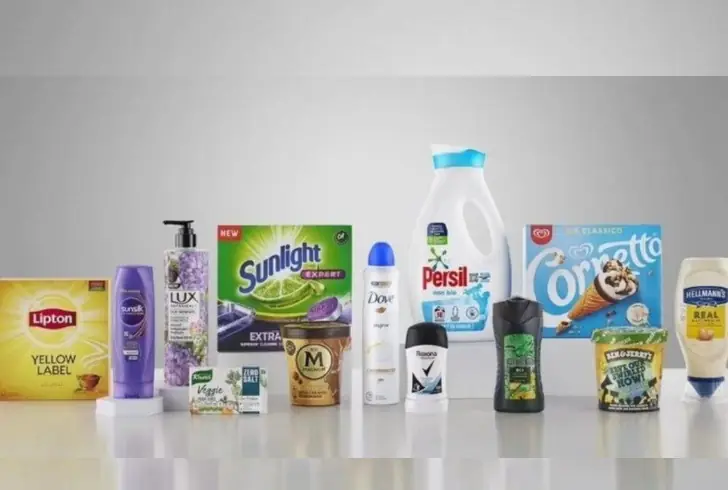
Prior to this divestment, Unilever boasted a vast international presence, with its products available in more than 190 countries worldwide. The company’s diverse portfolio spans across five key segments:
1. Home care
2. Beauty and wellbeing
3. Nutrition
4. Personal care
5. Ice cream
Unilever’s commitment to innovation is evident through its research and development centers strategically located in India, Pakistan, China, the UK, the Netherlands, and the US.
Looking Ahead
As Unilever closes this chapter in Russia and Belarus, the consumer goods landscape in these regions is set for a transformation. The sale not only reshapes Unilever’s global strategy but also presents opportunities for local entities like Arnest Group to expand their influence in the market.
The ongoing exodus of Western companies from Russia continues to alter the business ecosystem, reflecting the far-reaching economic implications of geopolitical events. As this trend persists, it will be crucial to monitor how both departing multinationals and emerging local players adapt to the changing market dynamics.